
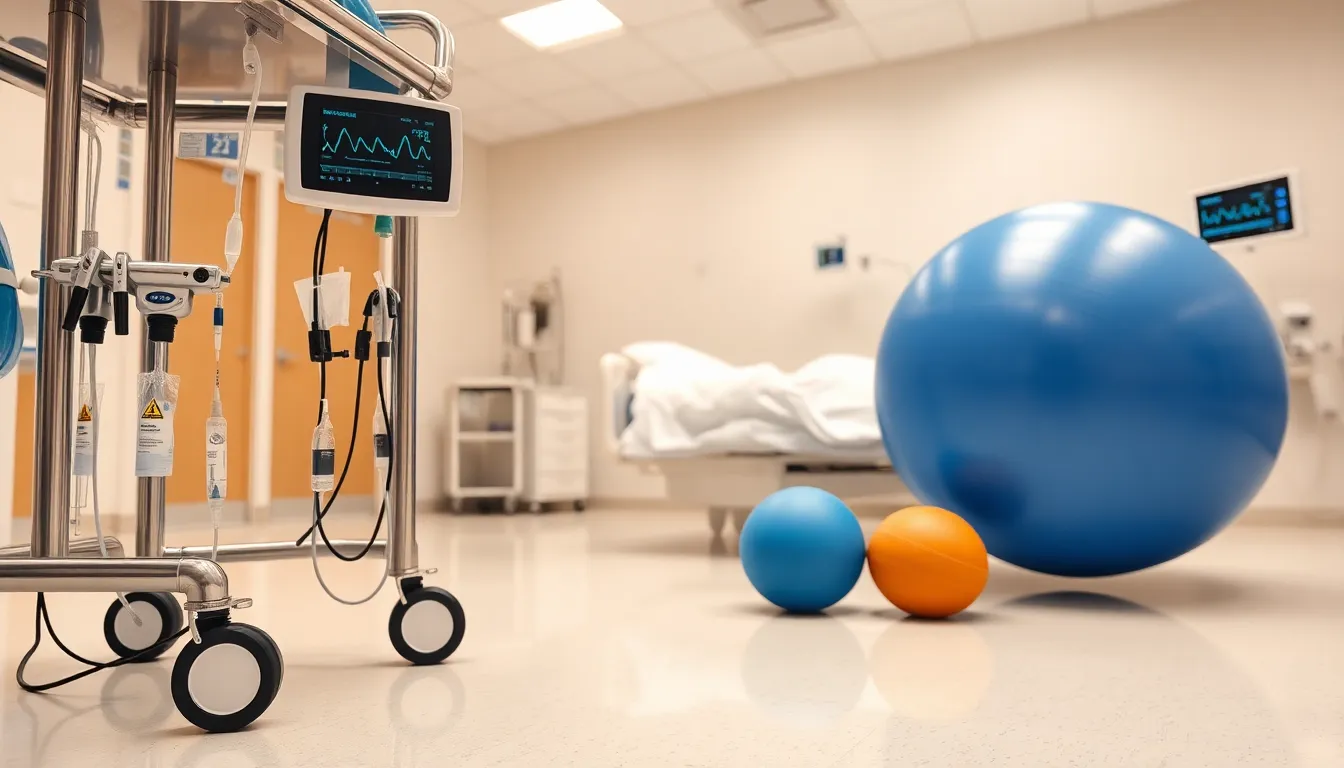
Birthing methods tools play a critical role in ensuring safe and comfortable labor experiences. From medical instruments used in hospitals to comfort items for natural births, these tools support both parents and healthcare providers throughout delivery. Expectant parents benefit from understanding what equipment they might encounter, or choose to use, during childbirth. This guide covers the most common birthing methods tools, including medical devices, natural birth comfort items, water birth supplies, and tips for selecting the right equipment for any birth plan.
Table of Contents
ToggleKey Takeaways
- Birthing methods tools range from medical devices like fetal monitors and forceps to natural comfort items such as birthing balls and TENS machines.
- Water birth equipment includes inflatable pools, thermometers, and waterproof dopplers to ensure safe aquatic delivery at home or in birth centers.
- Non-medical tools like peanut balls, massage tools, and aromatherapy diffusers help manage labor pain without medication.
- Choosing the right birthing methods tools depends on your birth setting, medical needs, comfort preferences, and budget.
- Talk to your midwife or obstetrician to determine which tools are appropriate for your pregnancy risk level and birth plan.
- Stay flexible during labor—having a variety of birthing tools on hand allows you to adapt as your needs change.
Common Medical Tools Used During Childbirth
Hospitals and birth centers stock a range of medical birthing methods tools to assist with labor and delivery. These instruments help healthcare providers monitor progress, manage complications, and ensure the safety of both mother and baby.
Fetal Monitors
Fetal monitors track the baby’s heart rate during labor. External monitors use sensors strapped to the mother’s abdomen. Internal monitors attach directly to the baby’s scalp for more precise readings. Continuous monitoring is standard in many hospitals, especially for high-risk pregnancies.
IV Equipment
Intravenous (IV) lines deliver fluids, medications, and pain relief directly into the bloodstream. Most laboring patients receive an IV for hydration. Epidural anesthesia, pitocin for labor induction, and antibiotics all flow through IV systems.
Forceps and Vacuum Extractors
Forceps are curved metal instruments that cup around the baby’s head to guide delivery. Vacuum extractors use suction to help pull the baby through the birth canal. Doctors use these birthing methods tools when labor stalls or the baby shows signs of distress.
Episiotomy Scissors
These specialized scissors cut the perineum to widen the vaginal opening during delivery. While episiotomies are less common today, healthcare providers still perform them when necessary to prevent tearing.
Cord Clamps and Cutting Tools
After birth, medical staff clamp the umbilical cord in two places and cut between them. Sterile clamps prevent bleeding. Some hospitals now practice delayed cord clamping, which allows more blood to transfer to the newborn.
Resuscitation Equipment
Every delivery room keeps infant resuscitation tools nearby. Bag-valve masks, suction bulbs, and warming tables stand ready if a newborn needs breathing assistance.
Non-Medical Comfort Tools for Natural Birth
Many parents prefer natural birthing methods tools that reduce pain without medication. These comfort items help laboring individuals relax, move freely, and manage contractions.
Birthing Balls
Birthing balls (also called exercise or yoga balls) allow laboring parents to sit, bounce, and rock during contractions. This movement opens the pelvis, encourages the baby to descend, and eases lower back pain. Most hospitals and birth centers provide birthing balls.
Peanut Balls
Peanut balls look like two connected spheres. Laboring individuals place them between their knees while lying on their side. This position opens the pelvis and can speed labor, even for those with epidurals who can’t walk.
TENS Machines
Transcutaneous electrical nerve stimulation (TENS) machines send small electrical pulses through pads placed on the lower back. These pulses interrupt pain signals and trigger the release of endorphins. TENS units are popular birthing methods tools in the UK and gaining traction in the US.
Massage Tools
Back massagers, tennis balls, and rolling pins provide counter-pressure during contractions. Partners often use these tools to rub the lower back, hips, and shoulders. Massage reduces muscle tension and offers emotional comfort.
Aromatherapy Diffusers
Essential oils like lavender, peppermint, and clary sage may help with relaxation and nausea during labor. Portable diffusers or cotton balls with oil allow parents to bring calming scents into delivery rooms.
Heating and Cooling Packs
Warm compresses on the lower back or perineum ease muscle tension and reduce tearing risk. Cool washcloths on the forehead and neck provide relief during intense contractions. Simple, but these birthing methods tools make a noticeable difference.
Water Birth Equipment and Supplies
Water births use specialized birthing methods tools designed for aquatic delivery. Warm water relaxes muscles, reduces pain perception, and allows greater freedom of movement.
Inflatable Birth Pools
Inflatable birth pools are the centerpiece of home water births. These pools range from basic models to larger tubs with handles and cushioned floors. Quality pools hold enough water to cover the laboring person’s belly while sitting. Brands like La Bassine and Birth Pool in a Box are popular choices.
Pool Liners
Disposable liners fit inside birth pools and make cleanup easier. Single-use liners also maintain hygiene between births if pools are rented or borrowed.
Water Thermometers
Water temperature during labor should stay between 95°F and 100°F (35°C to 37.8°C). Floating thermometers or digital waterproof models help monitor temperature throughout labor. Water that’s too hot can raise the baby’s heart rate.
Hoses and Pumps
Filling a birth pool requires a clean hose that attaches to a faucet. Submersible pumps speed up draining after delivery. Some kits include both filling and draining equipment.
Waterproof Dopplers
Midwives use waterproof fetal dopplers to monitor the baby’s heartbeat during water birth. These devices work underwater without interrupting labor.
Nets and Sieves
Small fishnets or sieves remove debris from the pool during labor. It’s a practical detail that keeps the water clean for delivery.
These birthing methods tools make water birth possible at home or in birth centers. Many hospitals now offer fixed tubs for water labor, though policies on underwater delivery vary.
How to Choose the Right Birthing Tools for Your Birth Plan
Selecting birthing methods tools depends on several factors: birth location, medical needs, comfort preferences, and budget.
Consider Your Birth Setting
Hospital births give access to all medical instruments, but patients may have limited control over which tools are used. Home births require parents to supply their own equipment, from birth pools to emergency supplies. Birth centers often blend both approaches, providing comfort tools while keeping medical equipment available.
Talk to Your Care Provider
Midwives and obstetricians can recommend specific birthing methods tools based on pregnancy history and risk factors. High-risk pregnancies may require continuous fetal monitoring. Low-risk pregnancies often allow more flexibility with comfort items.
Research and Test Equipment
Many parents rent birthing balls, TENS machines, or birth pools before purchasing. Testing equipment during pregnancy helps identify what actually provides relief. Some tools feel great during Braxton Hicks contractions but don’t work as well during active labor, and vice versa.
Build a Birth Toolkit
A basic birth toolkit might include:
- Birthing ball or peanut ball
- Massage tools and tennis balls
- Heating pads and cool compresses
- Essential oils and a diffuser
- Comfortable clothing and pillows
- Snacks and drinks for labor support partners
Parents planning water births should add pool supplies, liners, thermometers, and hoses.
Stay Flexible
Birth plans often change during labor. Having a variety of birthing methods tools on hand allows parents to adapt. Someone planning an unmedicated birth might later request an epidural. Someone expecting a quick labor might need forceps or vacuum assistance. The best approach prepares for multiple scenarios.


